


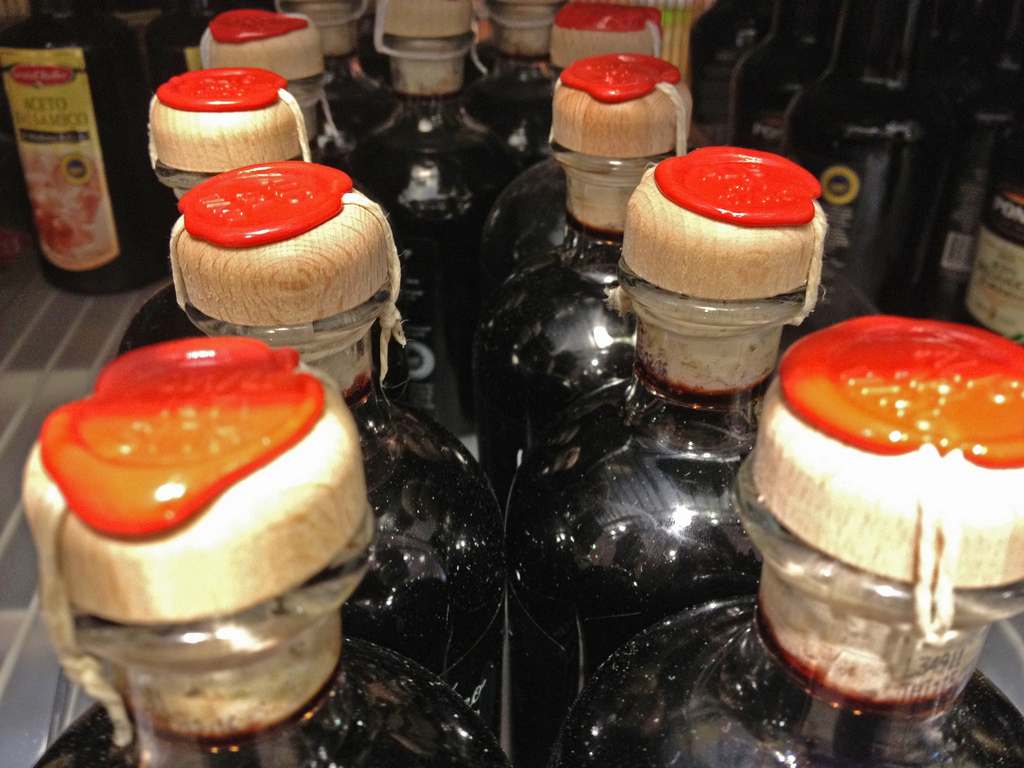
You've all seen the vinegar and condiment aisles of good grocery shops and maybe even bought some balsamic vinegar from Modena? The name brings good smells, balsamic vinegar sounds like a balm, of those balms of the past which brought together dozens of plants crushed, put into a paste and applied by a helping hand.
Could balsamic vinegar be a stomach balm ? But the name of vinegar seems contradictory, if this ingredient, so necessary for cooking, instantly reminds you of acidity, tears which come to your eyes, sauce from a failed salad because it is too acidic.
There is vinegar and vinegar
In fact, there are two main recipes for making vinegar, one based on the acidification of wine by anaerobic bacteria . This recipe made the triumph of Mister Pasteur, since it was by studying the phenomenon of yeasts that he made his revolution.
The other, do you know it, is the property of a small Italian province, in the north, the province of Modena?
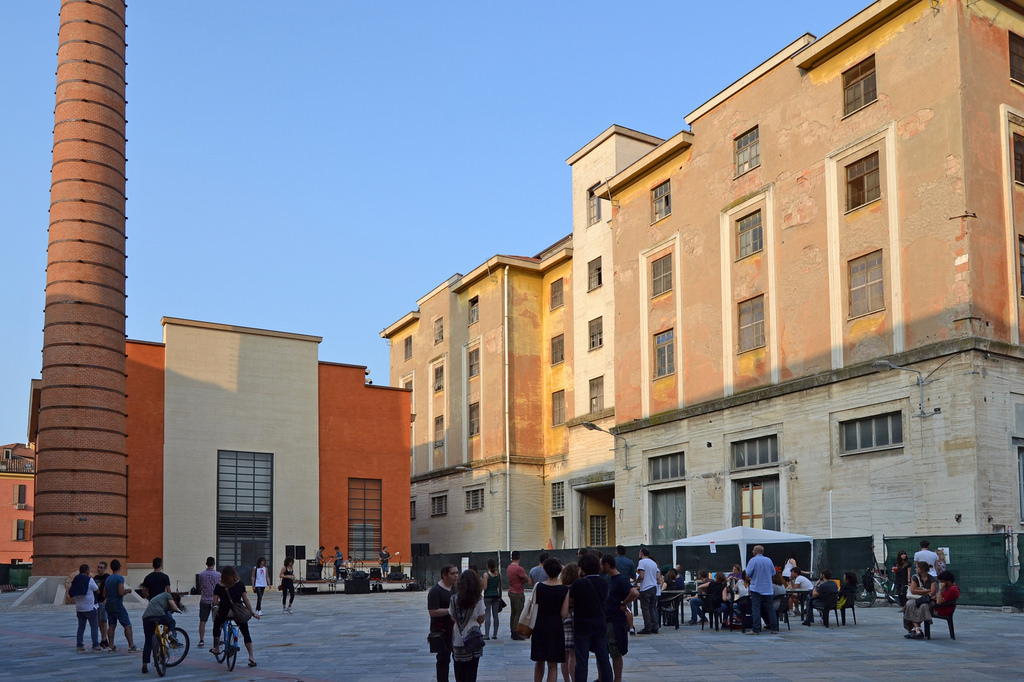
The production there is attested since the 15th century, and some nowdays factories already existed at that time. The aristocrats produced a vinegar of verjuice. The ripe grapes are pressed at normal temperature and undergo pre-fermentation . Then it is cooked over direct heat, reduced to a minimum of 60 %. And there the recipes diverge.
The first recipes for this verjuice vinegar have existed since at least the fifth century BC. It already appears in the very famous Deipnosophiste , the banquet of scholars. It was already discovered in Homer's banquets, which would mean that his knowledge dates back several centuries before. The basic recipe is simple. After cooking, add spices. Very different flavors were added to the natural acidity of the fruit .

And in Modena?
The basic recipe for Modena balsamic vinegar is no different from the previous one. Otherwise the meeting of cultures has added the Gallic invention of the barrel . Instead of adding spices, we let the cooked grape must improve year after year in different wooden barrels each time, this is the genius of this vinegar.
An acid base from green grapes, which macerates and loses its acidity for years, decades , in wooden barrels that are changed annually. It will reduce slowly to the consistency of a quasi-syrup attracting in passing all the scents of the woods where it has stayed.
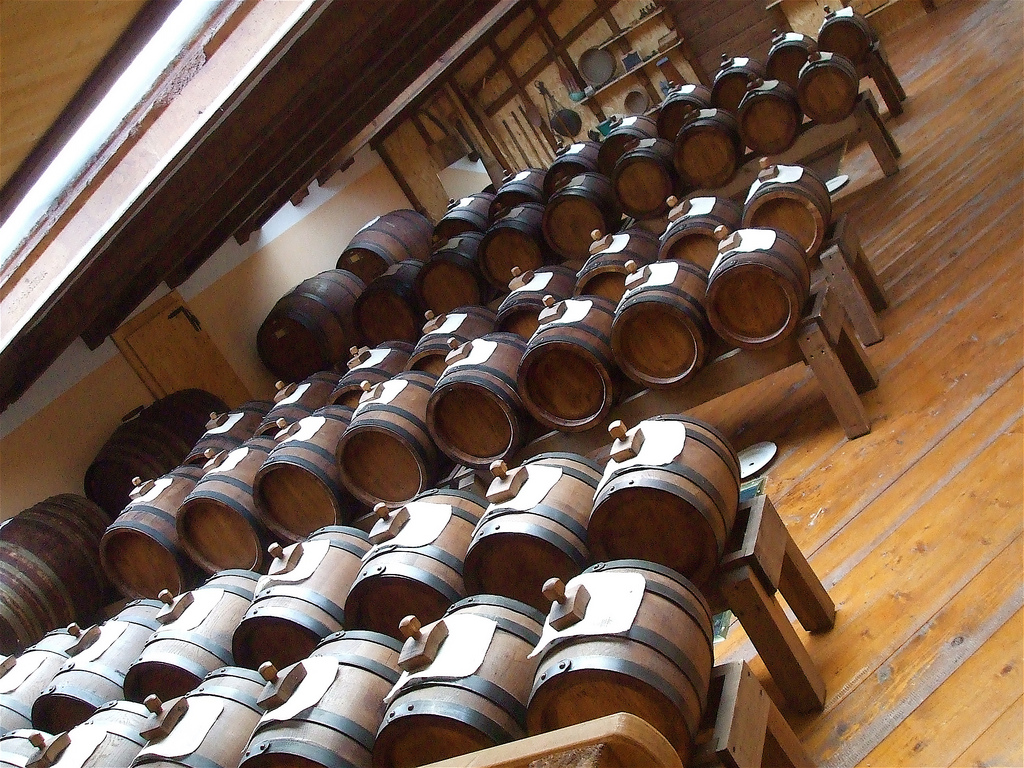
Juniper, olive, oak, mulberry, cherry, acacia, chestnut, ash, etc.
Each producer decides, and this is his personal secret, the order of this annual transfer for the production of precious liquid. These barrels, each time half smaller, rest in "solai". As the name suggests, they are exposed to full sun and the extreme cold of winter which causes half of them to evaporate each year. This is the share of angels much greater than in the cellars of brandy. It takes about 150 kg of grapes to produce 1⁄10 of a liter of the precious elixir.

The wine can be kept and great wines can be kept for several decades. The balsamic vinegar of Modena can survive the centuries, improving without stopping. It is one of the few products in the world for which the aging time is unknown. The only limit is your wallet. The bottle of this divine perfume of taste, designated like the others, can be worth up to several thousand euros when it is 150 years and over. Count a few tens of euros for 25 years or 50 years.

The term balsamic was added in the 18th century when the therapeutic virtues of this liquid were discovered. Today if you are curious to read the instructions for these precious bottles, you will discover that it is a panacea, from curing a hangover to all the ills of mankind.
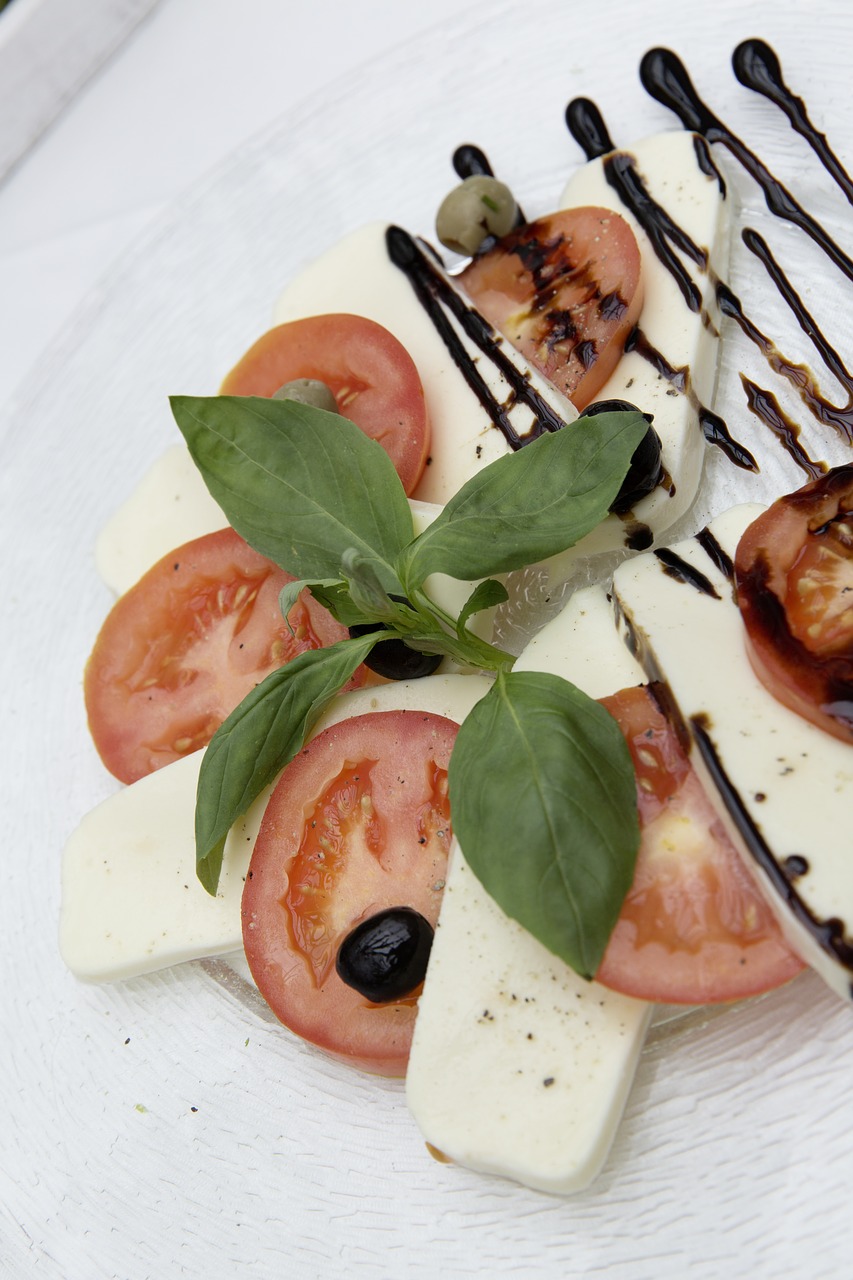
In truth it is not well to consider it, because it is of the ecstasy of your palate that it is necessary to speak. Try a dash of old balsamic vinegar from Modena on a few cubes of fruit, accompany it with a few violins like those from the Paganini competition, and you will reach one of the peaks of the taste experience. Break a few crumbs of Parmesan, add a few drops of the precious liquid and the caviar will seem very bland.

The future of this elixir?
This exceptional product is unfortunately very threatened. Whether by global warming, a threat to the cultivation of traditional vines, or by inexpensive industrial imitations which nevertheless benefited from a geographical indication. Those who have never tasted 0.01% of the total production of vinegar made in Italy once in their life cannot experience this wonderful and simple experience.

The length in the mouth, the coda, is equal to that of the years of the product. The older it is, the greater the rejoicing of your palate. So much so that connoisseurs wait a while before tasting the next dish or moving on to the café.
You will probably prefer to leave it there, captivated by the dozens of scents that assail you and hold you back.
