



I'm currently watching an exciting series of BBC programmes, British historical re-enactment, about farm life in different periods. One of the things that fascinates me the most is to see how our urban civilisation has separated us from the process of producing our own food.
I already perceived this in Morocco, especially when I went down to the "bled" to my in-laws, but even here, many processes have been industrialised, and food crops are becoming scarce.
"Life on the Farm" is a series of programmes that show a year in the life of English farmers from different periods:
- 1500, Tudor Farm shows the life of tenant farmers in a large monastery
- 1620, "The Green Valley" in the time of the Stuarts
- Around 1880, the farm in the late Victorian era shows the profound changes of the industrial era on agricultural life
- Finally, at the very beginning of the 20th century, with the Edwardian farm, industrialisation comes to the farm itself.
One of the great pleasures of Ruth Goodman, the historian on the programme, is cooking. So she uses recipe books and home economics from the time to recreate the dishes you ate when you were a slightly wealthy farmer (no tree bark flour in times of famine, for example). She also makes a lot of preserves. And she makes or has made her own utensils, as well as remedies.
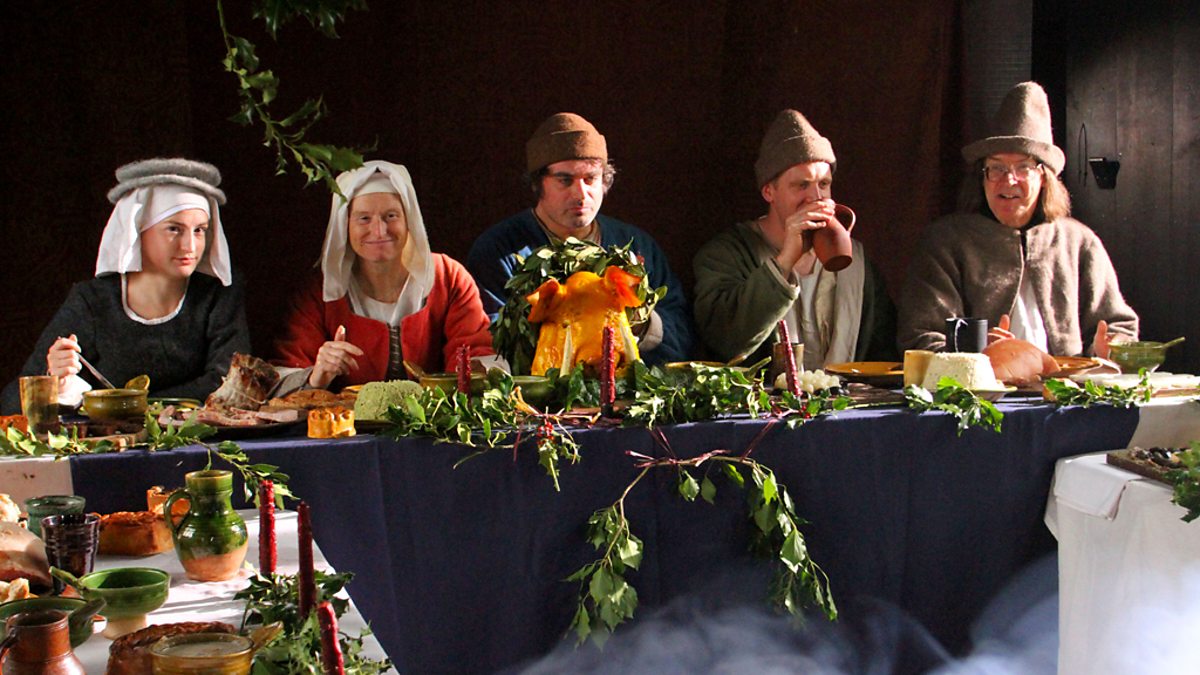
As she is a farmer, she also takes care of the breeding of certain animals, of cultivation, she makes her vegetable garden, takes part in the harvests…
The use of resources, without waste
I have also seen this at my parents-in-law's house: nothing is wasted! The crops are designed to feed people and animals, every part of the plant can be used.
We buy few manufactured products. You ask a craftsman to help you make durable goods from local resources (wood, reeds, etc.), such as a basket that will last for fifty years and that you can then repair, or use for heating by burning it.
It is precisely under Victoria that this is beginning to change. For example, farmers no longer spun wool to make their own cloth, but bought ready-made fabrics manufactured in the textile mills that processed cotton imported from the colonies.
The nails made by the village blacksmith were replaced by industrial nails. At the same time, machines began to save work, not only in the fields but also at home (a spin-dryer made life easier for women when they did the laundry).
The kitchen changes with the environment
In "The Victorian Farm", we learn that the use of mineral coal totally changed cooking.
While burning wood could make food smell good, burning coal was unpleasant. It was therefore necessary to separate the fuel from the food: this was the invention of the "modern" cooker, with a place where the coal burned, a pipe to evacuate the smoke, an oven and above all a flat surface on which to place… pots and pans.

It was the end of cooking in the fireplace, with the pot hanging over the fire. It was the arrival of casseroles and the widespread use of long-cooked stews. It was also the possibility of having a cooker in a smaller space than the fireplace, and of better managing the cooking temperature. In short, the beginning of an evolution towards the modern kitchen.
Of course, there were already systems with containers in which charcoal was put to cook a pan placed on top, which was called a "kitchen garden", but they were reserved for very large kitchens.
One kilo of bread and four litres of beer per day!
As in many countries, beer was a much more common drink than water. Because at that time, water was not very healthy. Lots of "little bugs" and microbes could linger in ponds and wells… Beer, at least, with its (slight) alcohol content, did not have these drawbacks. And it was nourishing too. And it probably made you a bit euphoric!
Like bread, which was the very first food. Thick slices of bread, too thick to be called toast, were used as plates on which to place the stew or vegetables that had been cooked for a long time in the pot.
Pies, "tourtes" and pasties
Pies and pasties are emblematic of English cuisine.
These recipes had a very specific purpose: they made it easy to transport food for people working outside. There was no need for dishes, the crust was enough to protect the food, which was simply wrapped in a cloth.
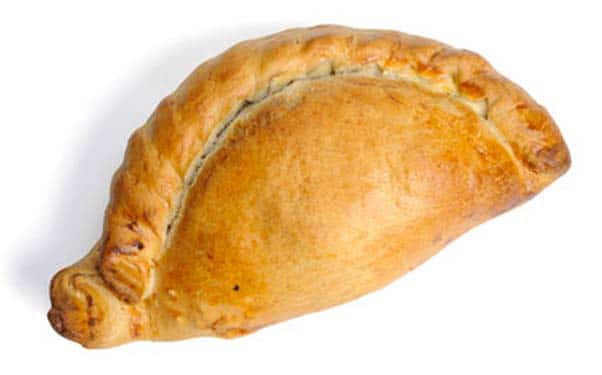
In particular, the Cornish Pasty (which is now a protected name) had a very wide rim so that the miners could hold it easily and eat the rest of the pie without getting it dirty with the coal dust on their hands.
